
Zero-Click Searches
SEO Intelligence · Zero-Click Era
Why Zero-Click Searches Are Exploding on Google — And What It Means for You
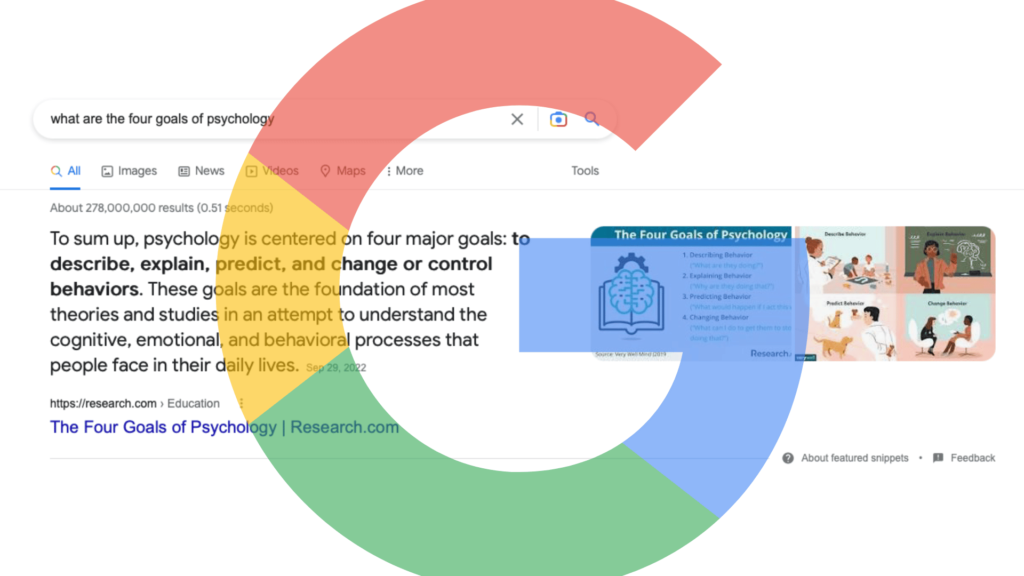
Over 60% of Google searches now end without a single click to any website. The data is unambiguous. The question is whether you treat this as a traffic crisis or a strategic opportunity.
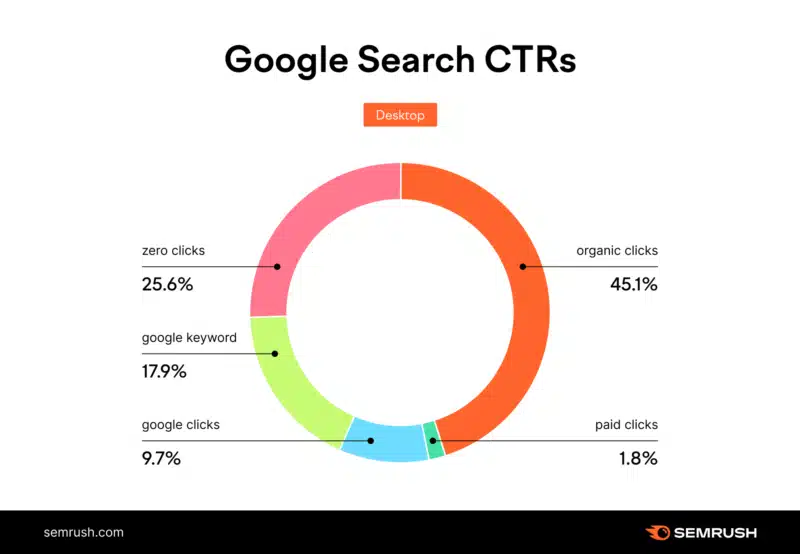
- In 2024, approximately 58.5% of U.S. Google searches ended without any click to an external website (SparkToro/Search Engine Land).
- When an AI Overview appears, organic CTR drops from ~1.6% to ~0.6% — a 61% collapse (Seer Interactive, Sept 2025).
- The Daily Mail’s desktop CTR fell from 25% to 2.79% on queries with AI Overviews — an 89% decline.
- This is not a temporary fluctuation. It is a structural shift in the click-based economy.
- Brands that pivot from “traffic-first” to “visibility-first” are already outperforming those still chasing blue links.
- Three content types still reliably generate clicks in 2026: transactional queries, deep specialist content, and branded searches.
Should You Even Care About This?
Proceed vs. Skip
| Your situation | What to do |
|---|---|
| Your site’s primary traffic comes from informational Google searches | Proceed — this is urgent |
| You publish news, how-to, recipes, or definitions content | Proceed — highest-risk category |
| You run an e-commerce site primarily targeting transactional queries | Skim — lower exposure, but still relevant |
| You already have strong direct/branded traffic and email lists | Read the framework section only |
| You’re building a new content site right now in 2026 | Proceed — this shapes every decision you’ll make |
If you’re still measuring SEO success purely in organic sessions, you are measuring the wrong thing with the wrong tool in the wrong era. That’s not hyperbole — it’s the operational conclusion of several converging data streams. This article explains why, and what to do about it.
The Data Nobody Wants to Show You
Most SEO coverage of zero-click search buries the most disturbing numbers or frames them optimistically. Let’s not do that.
The Pew Research Center — tracking 68,879 actual searches by 900 U.S. adults in March 2025 — found that only 8% of users clicked a standard result when an AI Overview appeared, compared to 15% without one. Only 1% clicked links within the AI summary itself. And 26% ended their browsing session entirely after seeing the AI summary, versus 16% without one.
That last number is the one that should unsettle you. People are not just getting their answer elsewhere on Google. A meaningful portion stop searching altogether.
The Mechanics: Why Zero-Click Is Accelerating
Zero-click searches are not new. Google began suppressing organic clicks with featured snippets around 2014, and the trend accelerated with the Knowledge Graph, local packs, and PAA (People Also Ask) boxes. But three developments since 2024 have compressed what was a decade-long drift into a sudden reckoning:
1. AI Overviews: The Big Structural Break
When Google rolled out AI Overviews (formerly SGE) to all U.S. users in May 2024 — and subsequently to over 200 countries — it changed the physics of a search results page. An expanded AI Overview occupies roughly 1,345 pixels on screen. The first organic result, by comparison, doesn’t appear until 1,686 pixels down. On a standard 768px laptop display, that means the organic web is below the fold before a single scroll.
Google’s Gemini model synthesizes multiple sources into a single on-page answer. The sources are cited but rarely clicked. BrightEdge found that citations in AI Overviews are highly volatile — roughly 70% of cited pages change within 2–3 months, and these changes do not track traditional organic rankings. You can rank #1 and be excluded from the AIO. You can be cited at #15 and receive a brief spike in visibility. Neither is reliable.
2. SERP Real Estate: The Crowding-Out Effect
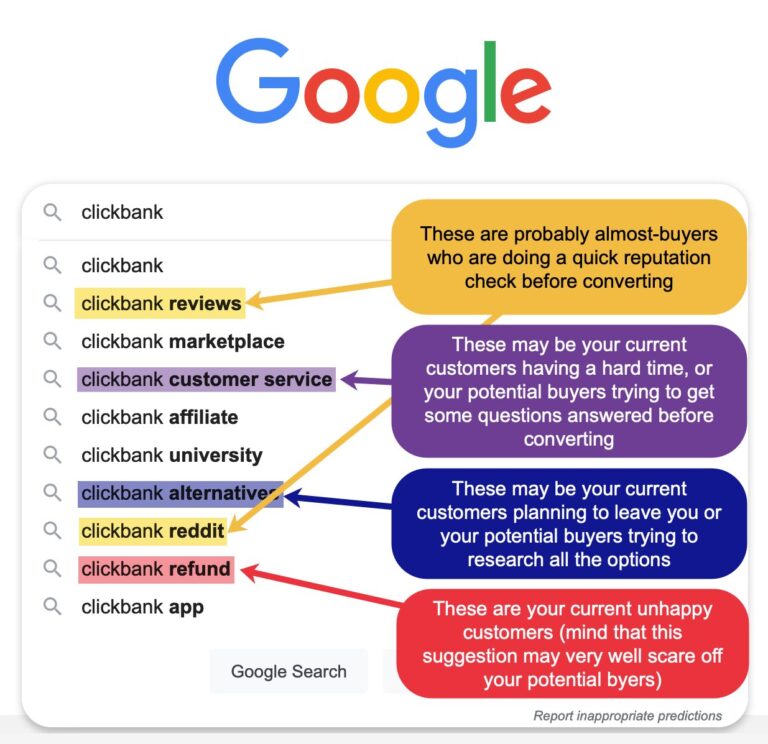
Featured snippets now appear on approximately 20% of search results. People Also Ask boxes appear on roughly 75% of searches on both mobile and desktop. Local packs dominate any query with geographic intent. Video carousels consume visual attention for how-to and tutorial queries. Each of these features was designed to answer user intent on the page — and each one is another layer between the user and your website.
3. Mobile Behavior: Where the Numbers Are Most Extreme
On mobile, zero-click rates reach 75–77%, compared to roughly 47% on desktop. Mobile now represents the majority of Google searches globally. The convenience architecture of a phone — scrolling a result page is faster and easier than navigating to a new website — compounds the effect. Mobile users are not lazy; they are rational. If the answer is on the page, leaving the page is friction.
Who Gets Hurt Most — And Who Quietly Wins
| Content / Business Type | Zero-Click Exposure | Mechanism |
|---|---|---|
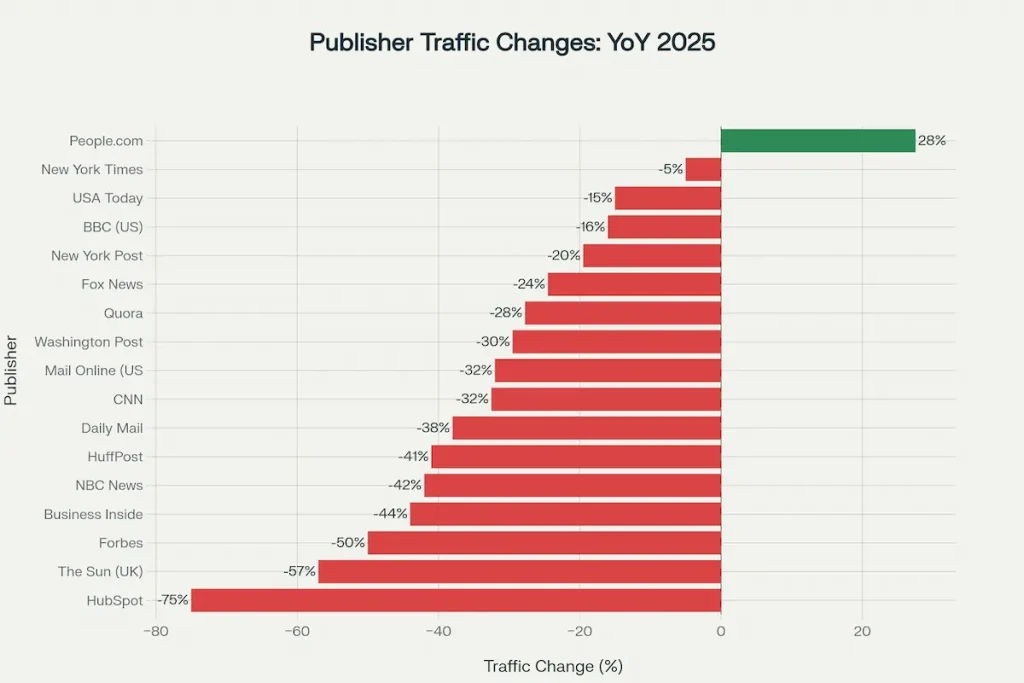
| News publishers, definitions, how-to guides | Critical | AI Overviews synthesize and replace. Business Insider: −55% organic traffic, 21% staff cuts. |
| Recipe sites, travel guides, general lifestyle | Critical | Featured snippets + AIO + image packs answer intent on-page. HuffPost lost 50% of search referrals. |
| Finance/legal “what is” content | High | Knowledge panels and AIO answer factual definitions. Rare click incentive. |
| B2B SaaS, deep technical guides | Moderate | Long, complex queries trigger fewer AIOs. Specialist depth outperforms in CTR for high-intent searches. |
| Local businesses (plumber, dentist, restaurant) | Moderate | Local pack captures clicks, but Google Business Profile increasingly answers intent without a website visit. |
| E-commerce, product pages with transactional intent | Lower | Transactional queries (“buy X”, “X price”) still drive clicks. Shopping ads remain effective. |
| Branded searches (company/product name queries) | Low | CTR for branded queries rose 18% in some studies. Brand authority is the last reliable moat. |
The Counterintuitive Winners
In the wreckage, a handful of sites have grown. Men’s Journal saw a 415% traffic increase; People.com gained 27%. The CBD Supplier grew search traffic 557% in 12 months through aggressive long-tail targeting and internal linking. These sites share three characteristics: deep specialization that goes beyond what an AI summary can reasonably compress, strong technical foundations, and content structured to answer questions that require genuine judgment or lived experience — not just facts.
BrightEdge confirmed that longer, conversational queries of 8+ words trigger AI Overviews far less frequently than shorter head terms. If your content strategy still targets 2–4 word head keywords in informational niches, you are building on a fault line.
The Visibility-First Framework: How to Actually Respond
Layer 1: Own the SERP Feature
Featured snippets in “position zero” achieve an impressive 42.9% click-through rate in non-AIO conditions — significantly higher than standard position #1. Target them with direct Q&A formatting, clear headers, and answer-first structure. Use FAQ Schema, HowTo Schema, and structured data everywhere. When Google is going to surface an answer box, make sure it’s yours.
Layer 2: Become a Cited AIO Source
Being cited in an AI Overview is not a reliable substitute for traffic. But it is visibility — and visibility drives brand recall, branded searches, and eventual direct traffic. To improve citation frequency: demonstrate clear E-E-A-T signals (first-person experience, expert authorship, authoritative backlink profile), structure content with clean semantic HTML, and publish on topics where your expertise is genuinely differentiated. Generic “guide to X” content is being automated out of existence; proprietary data, original case studies, and expert opinion are not.
Layer 3: Protect Transactional Queries Aggressively
Transactional queries still produce clicks at meaningful rates. Prioritize content with clear commercial intent, comparison pages, product-specific deep dives, and pages that serve users who are close to a decision. These are the searches Google cannot fully answer on-page without sending the user somewhere.
Layer 4: Build Demand Outside Google
Traffic from AI platforms (ChatGPT, Perplexity, Claude) grew roughly 527% year-over-year in 2025. Email lists, YouTube, LinkedIn, and podcast audiences are now more valuable than they have ever been relative to Google organic — not because Google is dying, but because diversified attention is more resilient. As Rand Fishkin has argued, brands need to reach their audience in the places where those audiences spend time, independent of whether Google decides to surface them.
Decision Table: Should You Optimize for SERP Features?
| Feature Type | Optimize If | Avoid If |
|---|---|---|
| Featured Snippet | Your page already ranks in positions 2–10 for a definition/how-to query; you want brand visibility regardless of click | Your query is purely transactional and conversion depends on page visit |
| AI Overview Citation | You’re building brand authority for a topic area; you have original research or first-person expertise Google can cite | Your monetization model requires pageviews (programmatic ad revenue); citations without clicks are negative ROI |
| Knowledge Panel | You’re a brand, business, or named entity; you want to control what users see when they search your name | You’re targeting keyword-driven informational content — panels are entity-specific, not content-triggered |
| People Also Ask Box | You’re building topical authority across a cluster of related questions; PAA drives impressions at scale | Your sole KPI is clicks-per-article; PAA visibility does not reliably translate to traffic |
| Local Pack | You have a physical location and local service intent; Google Business Profile is your most important SEO asset | You’re a national/global e-commerce brand without local intent signals |
How This Actually Works Together: The Zero-Click Workflow
Step 1 — Audit Your Current Exposure
Tool: Google Search Console + Semrush or Ahrefs. Filter your top 50 queries by impression volume. Cross-reference with whether an AI Overview or featured snippet currently appears. Any page losing CTR year-over-year on a query now dominated by a SERP feature is an immediate candidate for restructuring.
Integration type: Manual (monthly). Friction point: GSC does not show AIO presence; you need a third-party tool to correlate.
Step 2 — Classify Your Content by Click Vulnerability
Sort every content page into three buckets: (1) Informational — high AIO/feature risk, low click reliability. (2) Commercial/Comparative — moderate risk, defensible with depth. (3) Transactional — lower risk, optimize traditionally. This classification drives your entire production calendar going forward.
Step 3 — Restructure Informational Content for Snippet Capture
For Bucket 1: Add a concise, direct 40–60 word answer immediately below the first H2. Use numbered lists for processes. Add FAQ Schema to every page. Add HowTo Schema where applicable. The goal is not just to rank but to be the text Google quotes. Pages cited in AI Overviews receive brand exposure to millions of users even when click rates approach zero.
Friction point: Google’s AIO citations are volatile (70% change within 2–3 months). Do not build reporting dashboards assuming stability.
Step 4 — Shift Investment Toward Transactional and Proprietary Content
Allocate editorial budget away from generic informational content toward: comparison pages, original research (surveys, data studies, proprietary datasets), expert opinion and case studies, and content that requires a human decision — not just a fact lookup. These are the content types AI cannot fully replicate on-page.
Step 5 — Build and Measure Non-Click Visibility Metrics
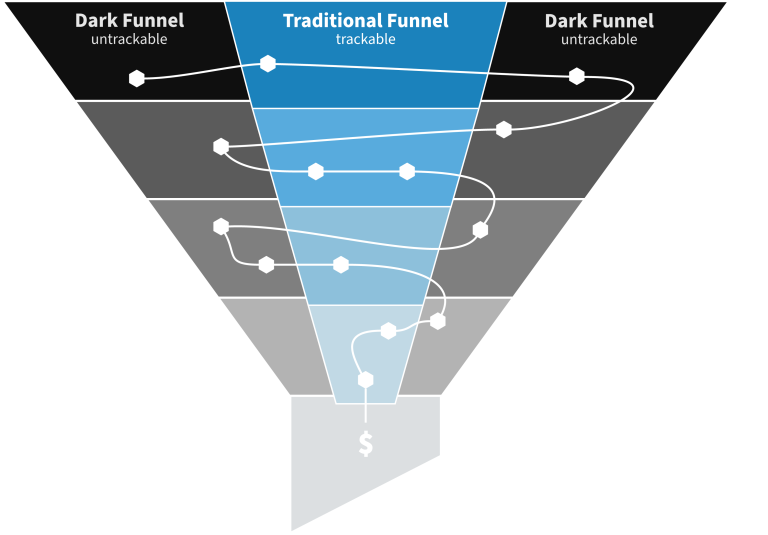
Implement a parallel measurement framework: branded search volume growth (Google Trends + GSC), AI citation tracking (tools like BrightEdge, SE Ranking AIO tracker), impression share by SERP feature type, direct traffic trends as a proxy for brand recall. Report these alongside sessions. Manage to visibility, not only traffic.
The 80% Solution Stack
You do not need an elaborate enterprise toolkit. Most teams can address zero-click exposure with five tools:
- Google Search Console Baseline for impressions, CTR trends, and query-level performance. Free and non-negotiable.
- Semrush or Ahrefs Identify which queries trigger AI Overviews or featured snippets; track SERP feature ownership over time.
- Schema Markup Validator Ensure FAQ, HowTo, and Article schema are correctly implemented. Google’s Rich Results Test is free.
- BrightEdge or SE Ranking Track AIO citation appearances and changes. Required if AIO visibility is part of your measurement framework. Pricing varies; check current plans before budgeting.
- Google Trends Monitor branded search volume growth as a proxy for awareness built through zero-click exposure. Free.
Limitations and What We Don’t Yet Know
Several honest caveats deserve space here:
“Zero-click” is not uniformly defined across studies. SparkToro measures clicks to the open web. Some studies count any session that stays on Google. Others include Google-owned property clicks (YouTube, Maps). Aggregate numbers should be read directionally, not as precise measurements.
Google disputes the most alarming findings. Google VP Liz Reid has stated that aggregate organic click volume remained “relatively stable” year-over-year and that publishers citing dramatic declines are using flawed methodologies or citing pre-AIO traffic changes. Publishers have forcefully challenged this characterization, and the regulatory attention (including DMG Media’s submissions to UK and EU competition authorities) suggests the dispute is far from settled.
AIO volatility cuts both ways. The fact that 70% of cited pages change within months means losers can become winners — and winners can disappear. The instability is disorienting but also means the landscape is not locked in.
Not all industries are equally affected. Healthcare, legal, and financial queries have historically been more protected by Google’s YMYL (Your Money, Your Life) policies. AIO presence in these verticals has been more cautious, though this is changing.
FAQ
Is optimizing for featured snippets worth it if it might reduce my own clicks?
This is the central tension, and the honest answer is: it depends on your monetization model. If you run programmatic advertising and need pageviews to generate revenue, winning a featured snippet may reduce your own click-through rate — Google answers the query, users don’t visit your site, you earn nothing. In this model, some SEOs deliberately avoid snippet optimization for high-volume queries. If you’re building brand authority or lead generation, the calculation reverses: visibility without a click still builds recognition, which drives branded searches later. Know which model you’re in before optimizing.
Does Google’s claim that “click volume is stable” contradict the publisher data?
Not necessarily — both can be true simultaneously. Google’s aggregate numbers are averaged across billions of queries including high-volume branded, navigational, and transactional searches where clicks remain strong. Publisher losses are concentrated in informational content where AI Overviews are most active. Looking at only the aggregate masks enormous variance by content type. This is why the specific breakdown (informational vs. transactional vs. branded) matters far more than top-line statistics.
Is there any content type that’s genuinely safe from zero-click cannibalization?
Genuinely safe is too strong. But content requiring real judgment — “Should I accept this job offer at a 20% salary cut for better work-life balance?” — or content tied to a specific transaction — “Buy Dyson V15 Detect refurbished warranty included” — is materially less exposed. So is content that is inherently interactive: tools, calculators, comparison engines, and applications. Google cannot give users a mortgage calculator within an AI Overview. It can summarize how mortgages work.
How should I measure success if I’m moving to a visibility-first model?
Track: total SERP impressions by feature type (from Semrush/Ahrefs), branded search volume trends (Google Trends + GSC), direct traffic as a share of total sessions, assisted conversion attribution (did a user who found you via a snippet return to convert via direct or email?), and AIO citation appearances if that visibility matters to your strategy. Reporting only sessions and bounce rate tells you less and less about the actual leverage your content is generating.
The Uncomfortable Truth
Here it is: the content economy that most publishers were built to serve — produce informational articles, rank for head terms, capture ad revenue from pageviews — is structurally over for large swaths of the internet. Not declining. Structurally over.
The Chartbeat and Press Gazette data showing a 38% decline in U.S. publisher search traffic in a single year is not a warning about what might happen. It is a description of what has already happened. NPR called it an “extinction-level event” for online publishers. That language is accurate for publishers whose entire model rested on Google sending traffic to informational articles.
The strategic response is not to optimize better within a failing model. It is to understand which parts of your content and audience relationship are genuinely yours — first-party data, email subscribers, branded community, deep expertise that cannot be summarized in a paragraph — and build from there.
Zero-click search did not kill the value of creating great content. It killed the specific mechanism by which generic informational content converted into ad impressions. Those are very different losses. The brands and publishers identifying that difference and acting on it are already growing. The ones treating this as a temporary algorithm disruption are likely to be the next case study in the next version of this article.
Optimize for the world Google has built. Not the one it once promised.